𝗙𝗿𝗼𝗺 𝗵𝗼𝗿𝗶𝘇𝗼𝗻𝘁𝗮𝗹 𝗦𝗮𝗮𝗦 𝘁𝗼 𝗔𝗜-𝗻𝗮𝘁𝗶𝘃𝗲 𝘃𝗲𝗿𝘁𝗶𝗰𝗮𝗹 𝗽𝗹𝗮𝘁𝗳𝗼𝗿𝗺𝘀
Over the past decade, horizontal SaaS defined how we thought about software in life sciences: generic tools, per‑seat licenses, a focus on dashboards, and connecting users rather than deeply transforming workflows. With the 𝗿𝗶𝘀𝗲 𝗼𝗳 𝗔𝗜‑𝗻𝗮𝘁𝗶𝘃𝗲, 𝘃𝗲𝗿𝘁𝗶𝗰𝗮𝗹 𝗽𝗹𝗮𝘁𝗳𝗼𝗿𝗺𝘀, that paradigm is quietly shifting.
In 𝘀𝗽𝗮𝘁𝗶𝗮𝗹 𝗼𝗺𝗶𝗰𝘀, this shift is especially tangible. High‑plex imaging and complex multi‑modal data demand more than generic analytics dashboards or one‑off scripts. What labs and biopharma teams need are trustworthy, domain‑aware systems that help them interpret tissue architecture, spatial phenotypes, and biomarker patterns at scale, while fitting into real‑world translational and clinical R&D workflows.
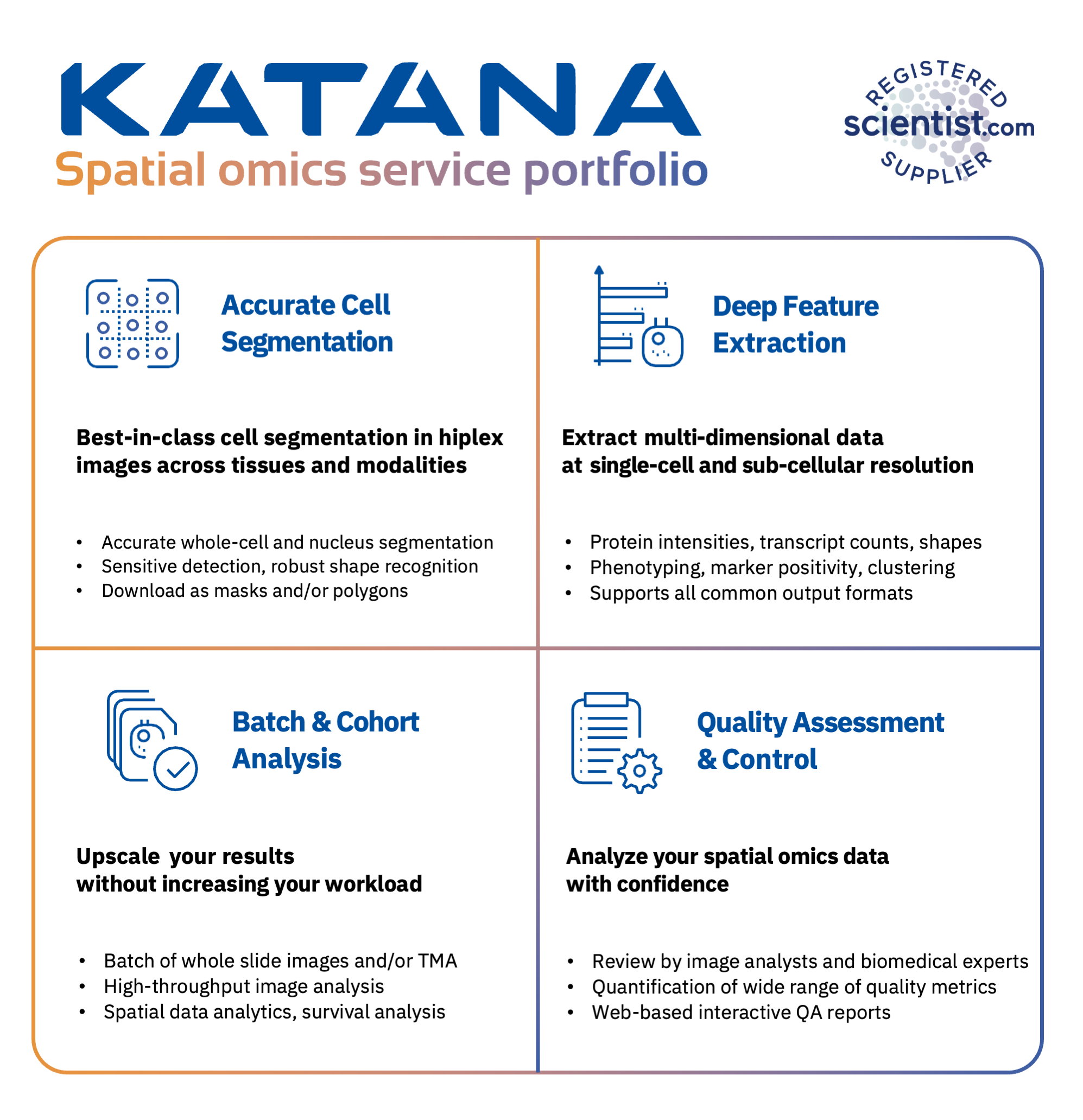
At Katana Labs, we are building an AI‑native platform focused specifically on image analysis and data analytics for spatial omics. Our goal is not to replace scientists, but to augment them with robust, reproducible workflows, advanced models, and intuitive tools that make complex data more actionable. We work closely with partners to ensure that algorithms, QC, and reporting align with biological questions, study designs, and regulatory expectations rather than forcing teams into one‑size‑fits‑all software.
We are realistic about where the field is today, but 𝗴𝗲𝗻𝘂𝗶𝗻𝗲𝗹𝘆 𝗲𝘅𝗰𝗶𝘁𝗲𝗱 about what this next wave of AI‑native, vertical platforms can unlock: more consistent analyses across sites, deeper biological insight from the same samples, and faster iteration between discovery, translational research, and clinical development. If we get this right as a community, spatial omics can move from “beautiful images” to a 𝗿𝗲𝗹𝗶𝗮𝗯𝗹𝗲 𝗱𝗲𝗰𝗶𝘀𝗶𝗼𝗻 𝗹𝗮𝘆𝗲𝗿 𝗳𝗼𝗿 𝗯𝗶𝗼𝗺𝗮𝗿𝗸𝗲𝗿 𝗱𝗲𝘃𝗲𝗹𝗼𝗽𝗺𝗲𝗻𝘁 𝗮𝗻𝗱 𝘃𝗮𝗹𝗶𝗱𝗮𝘁𝗶𝗼𝗻 𝗼𝗳 𝗻𝗼𝘃𝗲𝗹 𝗽𝗿𝗲𝗰𝗶𝘀𝗶𝗼𝗻 𝘁𝗵𝗲𝗿𝗮𝗽𝗶𝗲𝘀.
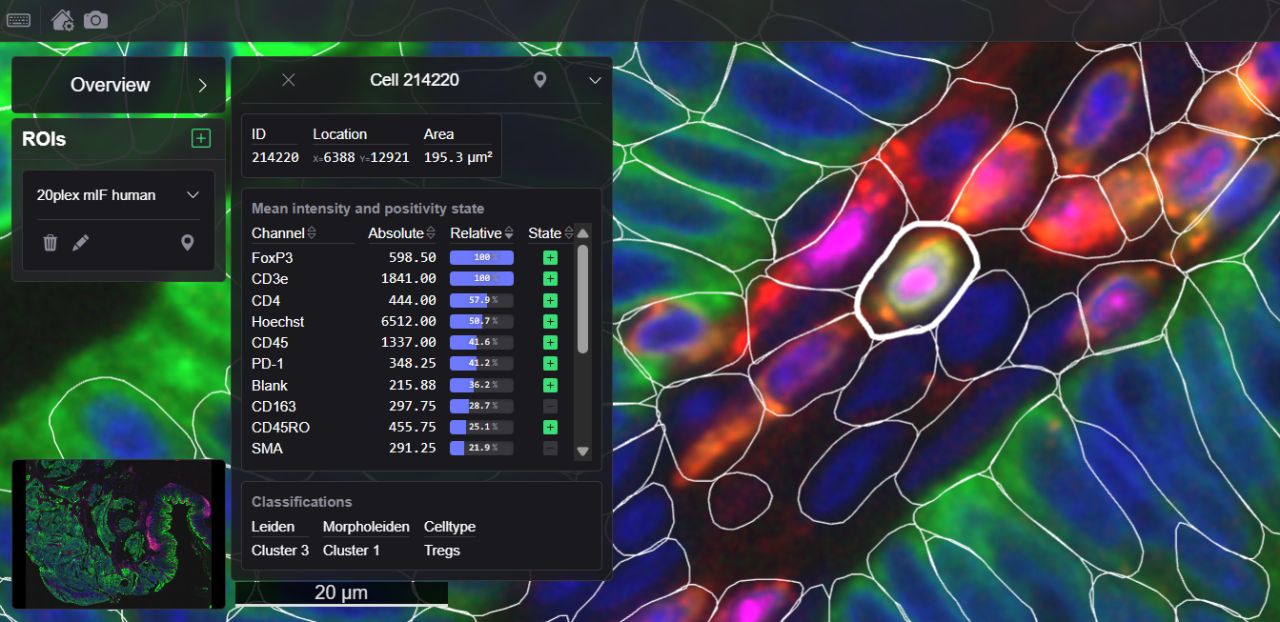
Image taken from Katana Edge platform.